
Rent hikes at every renewal in Austin don't always show up where owners expect them to, on the year-end statement. Plenty of properties post modest annual increases while profit barely moves, and the reason usually traces back to collection habits rather than the price itself. A closer look at why more renters are paying on autopilot shows how predictable payment timing protects margin in ways a rent increase alone can't.
Key Takeaways
- Raising rent in Austin doesn't guarantee a stronger return once turnover and vacancy costs get factored in.
- Floor plans designed for visual appeal over daily function push tenants toward the door faster.
- Screening standards that loosen during a slow rental stretch usually cost more than the vacancy itself.
- Financial habits reviewed only once a year hide problems that started building months earlier.
- Austin's rental pace punishes a price that hasn't been checked against current comps recently.
Three Signs an Austin Rental Is Underperforming
- Rent goes up at renewal, but the same tenants leave anyway, suggesting price isn't the only factor pushing them out.
- The same maintenance complaint surfaces across multiple tenants, pointing to a design flaw rather than a run of bad luck.
- Annual profit stays flat even after a rent increase, meaning something else is quietly absorbing that gain.
Floor Plans That Photograph Well but Frustrate Tenants
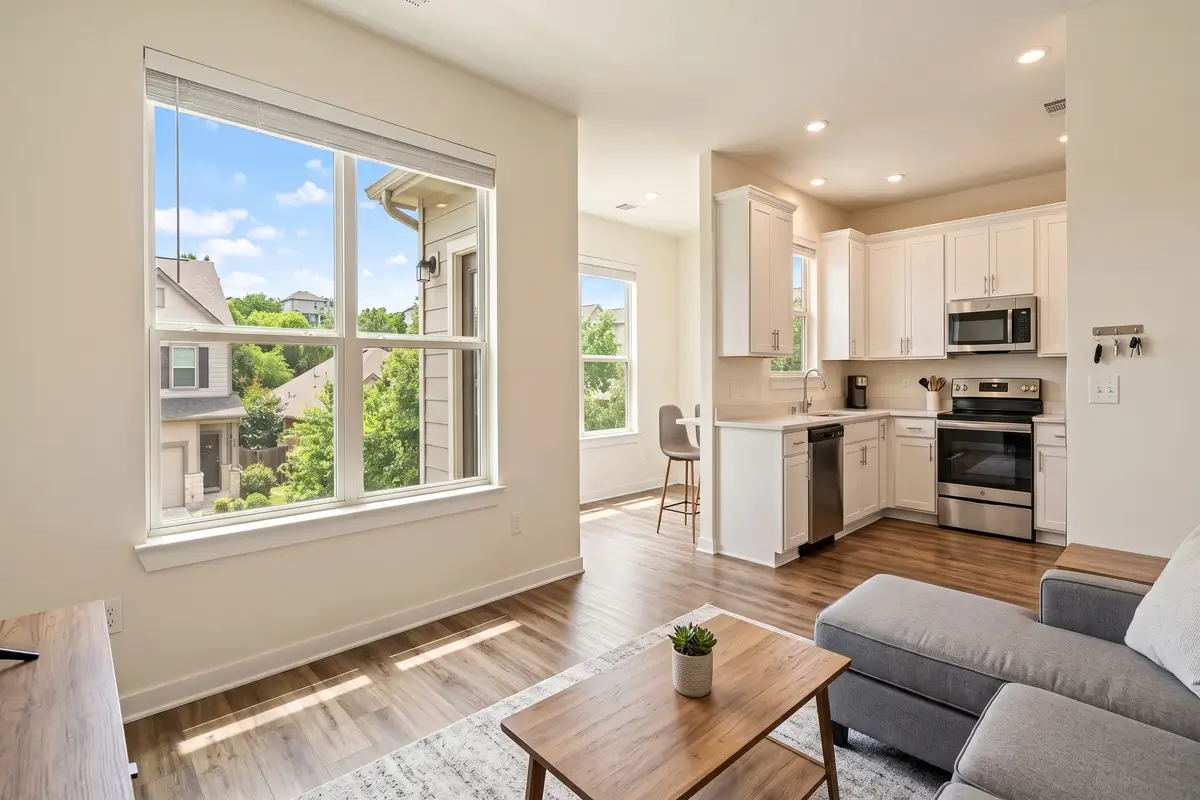
A layout chosen for how it looks in listing photos doesn't always hold up once someone actually settles in and starts living there day to day. Open-concept kitchens without a pantry draw a steady stream of storage complaints, and bedrooms with shallow closets push tenants toward stacking boxes against walls, which leads to scuffs landlords end up billing for at move-out.
| Layout Feature | Common Tenant Complaint |
|---|---|
| Open kitchen with no pantry | Nowhere to store bulk groceries or small appliances |
| Bedrooms with minimal closet space | Makeshift storage that damages walls over time |
| Bathrooms with limited counter space | Daily friction in units shared by roommates or families |
| Awkward furniture placement | Higher turnover as tenants searches for something more livable |
Owners reviewing how to avoid upgrades that create future problems tend to find that practical, durable layouts outperform trendy ones once daily tenant use factors in.
When a Listing Attracts the Wrong Kind of Attention
A listing can generate plenty of views and inquiries while still pulling in applicants who don't meet an owner's actual standards. This mismatch often points to a description that oversells certain features or undersells requirements like income verification and rental history.
A few adjustments tend to close that gap:
- Stating income requirements clearly instead of leaving them vague.
- Listing square footage and storage honestly rather than emphasizing only the best angles.
- Being upfront about pet policies and parking limits before a tour gets scheduled.
Owners who understand how strategic property marketing attracts qualified applicants, not just high volume, tend to spend far less time sorting through unqualified inquiries later.
The Real Cost of Waiting on Repairs
A maintenance issue left unaddressed rarely stays small for long. A slow leak under a bathroom sink can turn into a full flooring replacement within weeks. Skipping a seasonal HVAC inspection can lead to a complete system failure right as Texas summer heat sets in, leaving both tenant and owner facing an emergency repair instead of a routine service call.
Turnover between tenants compounds this further, adding lost rent, cleaning costs, and often a repair list before the next lease even starts. This pressure shows up nationally too, with the rental vacancy rate reaching 7.3 percent in the first quarter of 2026, a reminder that even competitive rental markets see units sit empty longer than owners plan for.
Smart Technology and Where the Payoff Comes From
Owners looking to close the gap between rent charged and rent kept increasingly turn to smart technology instead of another price increase. A handful of upgrades consistently pay for themselves within a year or two of installation.
- Smart thermostats reduce energy waste during vacancy periods and give tenants more control without triggering utility disputes.
- Leak sensors catch plumbing issues before they turn into a flooring replacement or a mold remediation project.
- Smart locks simplify turnover between tenants and reduce the ongoing cost of rekeying every unit.
These upgrades tend to cost less than a single major repair while lowering the odds of one happening at all.
Why Screening Standards Can't Bend When Vacancy Pressure Builds
A slow rental month tempts some owners to relax screening requirements just to fill a unit faster. Consistent tenant screening standards that stay firm regardless of vacancy pressure tend to prevent the far more expensive problems that come with placing an unqualified tenant, including missed payments and premature turnover.
What the National Renter Squeeze Means for Austin Owners
Financial pressure on renters isn't limited to any single market, and understanding that broader trend helps Austin owners set pricing that holds up over time. With 55 percent of renters nationally already dedicating a significant share of income toward housing, there's little room left for a pricing mistake or an unexpected fee to go unnoticed by a tenant weighing their options.
That reality makes accurate, current pricing more valuable than a decision made once at move-in. A rent figure that made sense last year may already sit out of step with what comparable Austin units are charging now, and that gap can quietly cost an owner months of reduced income before anyone catches it.
Why Skipping the Numbers Catches Up With Owners
Collection rates, maintenance spending, and vacancy days only mean something when someone reviews them regularly instead of waiting for a year-end summary. The distance between advertised rent and real return tends to stay hidden until it surfaces as a total lower than expected.
A quick monthly checklist worth building into ownership:
- Compare current rent against three to five comparable local listings.
- Review maintenance tickets for repeat issues at the same property.
- Track days-on-market for the current vacancy against the prior lease cycle.
- Confirm collection rates match what's owed, not just what's been deposited.
Owners who dig into accounting practices built for transparency tend to catch these gaps sooner, since categorized expenses and clear statements make the monthly checklist far easier to run consistently.
Ownership Doesn't Stop at the Closing Date
A lot of owners research a property carefully before buying, then treat closing day as the finish line. Rent gets set once at move-in and rarely revisited afterward. Maintenance becomes reactive instead of scheduled. The property's numbers only get a second look once something has clearly gone wrong.
Staying ahead of that pattern means building a regular check-in on pricing and upkeep into the ownership routine, backed by guarantees designed for property owners that cover exactly this kind of ongoing attention well beyond the initial purchase decision.
FAQs about High Rent Low Performance Rentals in Austin, TX
A tenant requested a payment plan after falling behind one month. Should I agree to it?
A short, documented payment plan can preserve the tenancy if the tenant has an otherwise strong history. Put the terms in writing and set a firm deadline to avoid repeated late payments becoming the norm.
How do I decide between a long-term tenant and a slightly higher new applicant?
Weigh the cost of turnover against the rent difference. A reliable long-term tenant at a modest discount often costs less overall than the vacancy, cleaning, and marketing expenses tied to replacing them.
Is it worth adding a washer and dryer to an Austin rental that currently has hookups only?
It depends on your target tenant pool. Units marketed to renters without their own units often see faster leasing and slightly higher rent, but factor in maintenance and replacement costs over time.
Should I walk through the property with the tenant at move-in, not just move-out?
Yes, a joint move-in walkthrough with photos protects both parties by documenting the property's condition before the lease starts. It also reduces disputes over security deposit deductions later.
What's a realistic timeline for filling a vacancy in Austin right now?
Two to four weeks is typical in most Austin submarkets, depending on price point and season. A vacancy stretching well past that usually points to a pricing or presentation issue worth investigating.
What Keeps Austin Property Owners Ahead of the Curve
Owners who wait for a disappointing year-end statement to investigate their numbers have already lost months of correctable profit. PMI Capital Area exists to close that gap before it opens, pairing data-driven pricing with preventive maintenance and screening standards that hold firm regardless of vacancy pressure.
Talk to our team about your property and get a clearer picture of what it should be earning.